
Men's Wellness
Your Health, Our Mission. Get in Touch Today.
Men's sexual health
Tadalafil, Sildenafil, and Vardenafil are widely utilized medications for addressing erectile dysfunction (ED) in males. These medications are part of the phosphodiesterase type 5 (PDE-5) inhibitors category, functioning to enhance penile blood circulation, thereby facilitating the achievement and sustenance of an erection.
Read More
Overview
Tadalafil, Sildenafil, and Vardenafil are three medications commonly used to treat erectile dysfunction (ED) in men. They belong to a class of drugs known as phosphodiesterase type 5 (PDE-5) inhibitors, which work by increasing blood flow to the penis and helping to achieve and maintain an erection. Olympia offers Tadalafil, Sildenafil, and Vardenafil rapid dissolve tablets (RDT’s).
Tadalafil, marketed under the brand name Cialis, has a longer duration of action than Sildenafil and Vardenafil, lasting up to 36 hours. This makes it a popular choice for men who want the flexibility of taking the medication at any time without worrying about timing their sexual activity.
Sildenafil, marketed under the brand name Viagra, was the first medication approved for the treatment of ED. It has a shorter duration of action than Tadalafil, lasting up to 2-4 hours. Sildenafil should be taken on an empty stomach for optimal results.
Vardenafil, marketed under the brand name Levitra, has a similar duration of action to Sildenafil, lasting up to 2-4 hours. It is also recommended to be taken on an empty stomach for best results.

Testosterone replacement pill
Testosterone Replacement Pills are designed to help individuals with low testosterone levels restore hormonal balance and improve various aspects of health and vitality. This treatment is customized based on individual needs and health assessments.
Benefits:
- Increases energy levels.
- Enhances mood and mental clarity.
- Improves muscle mass and strength.
- Supports libido and sexual function.
- Aids in overall well-being.
Read More
Post-Treatment Monitoring: Regular follow-up appointments may be recommended to monitor progress and adjust dosage as needed.
Testosterone injection replacement therapy
Experience the benefits of our Testosterone Injection Replacement Therapy, designed to enhance your overall well-being, improve energy levels, and support your hormonal balance. Our injection therapy provides a reliable and effective way to address low testosterone levels.
- Testosterone Injection Replacement Therapy 1. Initial Consultation and Assessment
Read More
Comprehensive consultation to evaluate your health, discuss symptoms, and determine the appropriate testosterone injection therapy for your needs.
Benefits: Tailored treatment plan, detailed health assessment, personalized dosage.
2. Testosterone Injections
Administered as intramuscular injections, these treatments are designed to raise and maintain optimal testosterone levels in your body.
Benefits: Effective hormone replacement, boosts energy, improves mood, enhances muscle mass, and supports sexual health.
Package Options:
- 4-Injection Package: (typically covers 1-2 months)
- 8-Injection Package: (typically covers 2-4 months)
- 12-Injection Package: (typically covers 4-6 months)
- 3. Extended Treatment Packages
6-Month Package:
Comprehensive package including 12 injections (one every 2 weeks) over a 6-month period.
Benefits: Consistent hormone levels, long-term support, reduced frequency of visits.
12-Month Package:
Complete package including 24 injections (one every 2 weeks) over a 12-month period.
Benefits: Ongoing hormone balance, enhanced long-term results, less frequent administration.
- Additional Information:
Pre-Treatment Guidelines: Follow instructions provided by our specialists before starting your injections to ensure optimal results.
Post-Treatment Monitoring: Regular follow-up appointments are recommended to monitor your progress, adjust dosage, and ensure the effectiveness of the therapy.
Side Effects: Consult with our medical team regarding any potential side effects and how to manage them effectively.
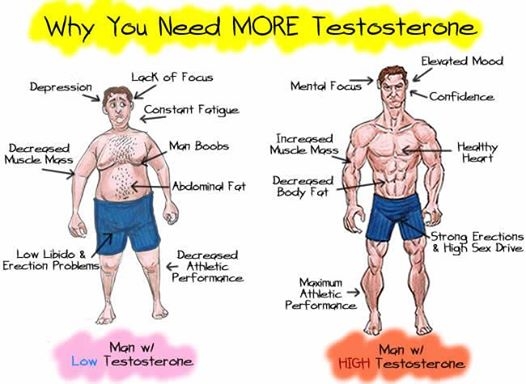
Initial Consultation for Hormone Imbalance
An initial consultation will focuses on understanding symptoms, assessing underlying causes, and developing a personalized treatment plan. Here’s a detailed guide on what to expect during the consultation:
1. Personal and Medical History:
Health Background: Provide information about your overall health, including chronic conditions, past surgeries, and current medications or supplements.
Read More
Hormone-Related Symptoms: Discuss specific symptoms related to hormone imbalance such as reduced libido, erectile dysfunction, fatigue, depression, weight gain, muscle loss, or decreased energy levels.
Family History: Share any family history of hormonal disorders or related health conditions.
2. Symptom Assessment:
Detailed Symptom Report: Describe your symptoms in detail, including when they began, their frequency, and severity.
Impact on Daily Life: Explain how these symptoms are affecting your daily activities, work performance, and quality of life.
3. Lifestyle and Diet Evaluation:
Dietary Habits: Review your current diet to identify any nutritional deficiencies or imbalances that could affect hormone levels.
Exercise Routine: Discuss your level of physical activity and its impact on your health and hormone levels.
Stress Levels: Evaluate your stress levels and coping mechanisms, as chronic stress can influence hormone balance.
4. Diagnostic Testing:
Hormone Testing: Conduct blood tests to measure key hormones, including:
Testosterone: Total and free testosterone levels to assess testosterone balance.
Estrogen: Levels of estrogen, as imbalances can affect overall hormone balance in men.
Thyroid Hormones: T3, T4, and TSH to evaluate thyroid function.
Cortisol: To assess adrenal function and stress response.
DHEA: Dehydroepiandrosterone levels, which can impact overall hormone levels.
Nutrient Deficiencies: Check for deficiencies in essential vitamins and minerals that may affect hormonal health, such as vitamin D, B vitamins, zinc, and magnesium.
Additional Tests: Based on symptoms, additional tests may be recommended, such as imaging studies or adrenal function tests.
5. Review of Previous Treatments:
Past Therapies: Discuss any previous treatments or therapies for hormone imbalances, including their effectiveness and any side effects.
Response to Treatments: Assess how previous treatments worked and identify any reasons for ineffectiveness.
6. Treatment Plan Discussion:
Treatment Options: Explore various treatment options, including:
Hormone Replacement Therapy (HRT): Such as testosterone replacement therapy (TRT) if testosterone levels are low.
Lifestyle Changes: Recommendations for diet, exercise, and stress management.
Medications: Any medications that might help balance hormones or address specific symptoms.
Supplements: Potential use of supplements to support hormone balance, such as vitamin D or zinc.
Personalized Plan: Develop a treatment plan tailored to your specific hormonal imbalances and health goals.
7. Risks and Benefits:
Benefits: Outline the potential benefits of the recommended treatment plan, including improved symptoms, energy levels, and overall well-being.
Risks: Discuss potential risks and side effects, including allergic reactions, hormone-related side effects, or interactions with other medications.
Alternative Options: Consider and discuss alternative treatments if the primary plan isn’t ideal for you.
8. Informed Consent:
Consent Form: Review and sign an informed consent form that details the treatment options, their purposes, benefits, risks, and any alternative therapies.
9. Follow-Up and Support Plan:
Monitoring: Set up a plan for monitoring your progress, including follow-up appointments and additional testing if needed.
Ongoing Support: Discuss ongoing support, including any lifestyle adjustments, dietary changes, or additional resources to help manage hormone balance.
Preparation for the Consultation:
Documentation: Bring relevant medical records, recent test results, and a list of current medications and supplements.
Symptom Journal: Prepare a detailed account of your symptoms, including frequency, severity, and how they impact your life.
Questions and Concerns: Write down any questions or concerns you have about hormone imbalances, the proposed treatments, and the overall process.
Conclusion:
The initial consultation is designed to thoroughly assess your health, understand the causes of your symptoms, and create a personalized treatment plan. This comprehensive approach ensures that the therapy is tailored to your specific needs and is implemented safely and effectively.